Welcome to our new site!
If you had an account with us on our previous site, you'll need to reset your password here.
Close this alert

Welcome to our new site!
If you had an account with us on our previous site, you'll need to reset your password here.
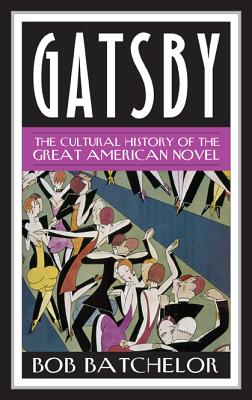
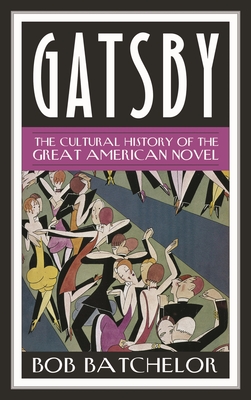
In 1925, F. Scott Fitzgerald produced his third novel, a slim work for which he had high expectations. Despite such hopes, the novel received mixed reviews and lackluster sales. Over the decades, however, the reputation of The Great Gatsby has grown and millions of copies have been sold. One of the bestselling novels of all time, it is also considered one of the most significant achievements in twentieth-century fiction. But what makes Gatsby great? Why do we still care about this book more than eighty-five years after it was published? And how does Gatsby help us make sense of our own lives and times?
In Gatsby: The Cultural History of the Great American Novel, Bob Batchelor explores the birth, life, and enduring influence of The Great Gatsby--from the book's publication in 1925 through today's headlines filled with celebrity intrigue, corporate greed, and a roller-coaster economy. A cultural historian, Batchelor explains why and how the novel has become part of the fiber of the American ethos and an important tool in helping readers to better comprehend their lives and the broader world around them.
A "biography" of F. Scott Fitzgerald's masterpiece, this book examines The Great Gatsby's evolution from a nearly-forgotten 1920s time capsule to a revered cultural touchstone. Batchelor explores how this embodiment of the American Dream has become an iconic part of our national folklore, how the central themes and ideas emerging from the book--from the fulfillment of the American Dream to the role of wealth in society--resonate with contemporary readers who struggle with similar uncertainties today. By exploring the timeless elements of reinvention, romanticism, and relentless pursuit of the unattainable, Batchelor confirms the novel's status as "The Great American Novel" and, more importantly, explains to students, scholars, and fans alike what makes Gatsby so great.