Welcome to our new site!
If you had an account with us on our previous site, you'll need to reset your password here.
Close this alert

Welcome to our new site!
If you had an account with us on our previous site, you'll need to reset your password here.
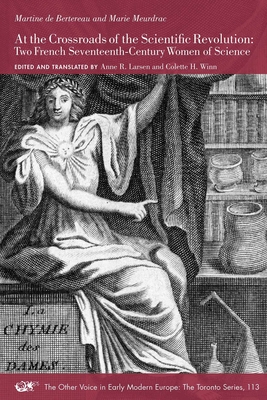
The first translation of the works of early modern French woman scientists Martine de Bertereau and Marie Meurdrac.
The writings of mineralogist and hydrogeologist Martine de Bertereau (ca. 1584–ca. 1643) and alchemist and chemist Marie Meurdrac (ca. 1610–80) stand at the crossroads of the...

This correspondence is published here for the first time. Jeanne de Flandreysy chose to serve her country by reviving the Causo through an attempt to restore the Felibrige, which had been broken up by the war, and by creating the Foundation for the work of the Maitre de Maillane.
Read More about Correspondance de la Grande Guerre: Construire En Temps de Guerre, Le Defi d'Une Femme
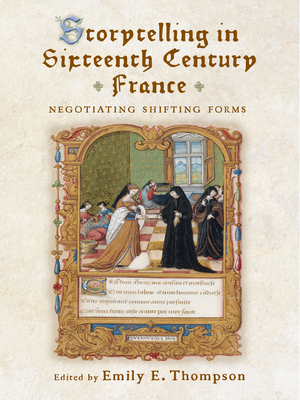
Storytelling in Sixteenth-Century France is an innovative, interdisciplinary examination of parallels between the early modern era and the world in which we live today. Readers are invited to look to the past to see how then, as now, people turned to storytelling to integrate and adapt to rapid...
Read More about Storytelling in Sixteenth-Century France: Negotiating Shifting Forms (The Early Modern Exchange)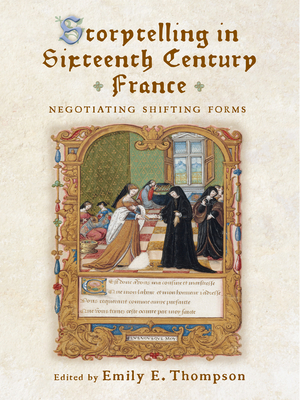
Storytelling in Sixteenth-Century France is an innovative, interdisciplinary examination of parallels between the early modern era and the world in which we live today. Readers are invited to look to the past to see how then, as now, people turned to storytelling to integrate and adapt to rapid...
Read More about Storytelling in Sixteenth-Century France: Negotiating Shifting Forms (The Early Modern Exchange)
Marguerite de Cambis was well versed in the prevailing translation theories and practices of her time, as this translation of Boccaccio demonstrates. It also illustrates the central role Renaissance women played in promoting vernacular languages and in bringing the Trecento writers and their works...
Read More about Epistre Consolatoire de Messire Jean Boccace Envoyee Au Signeur Pino de Rossi (1556): Epistola a Messer Pino de Rossi
At what moment did someone become old in the sixteenth century? Could the signs of passing time be delayed? This volume reveals how men and women experienced aging during the Renaissance, from its representation in the arts to rhetoric around aging and medical treatises.
Read More about Vieillir a la Renaissance